
01
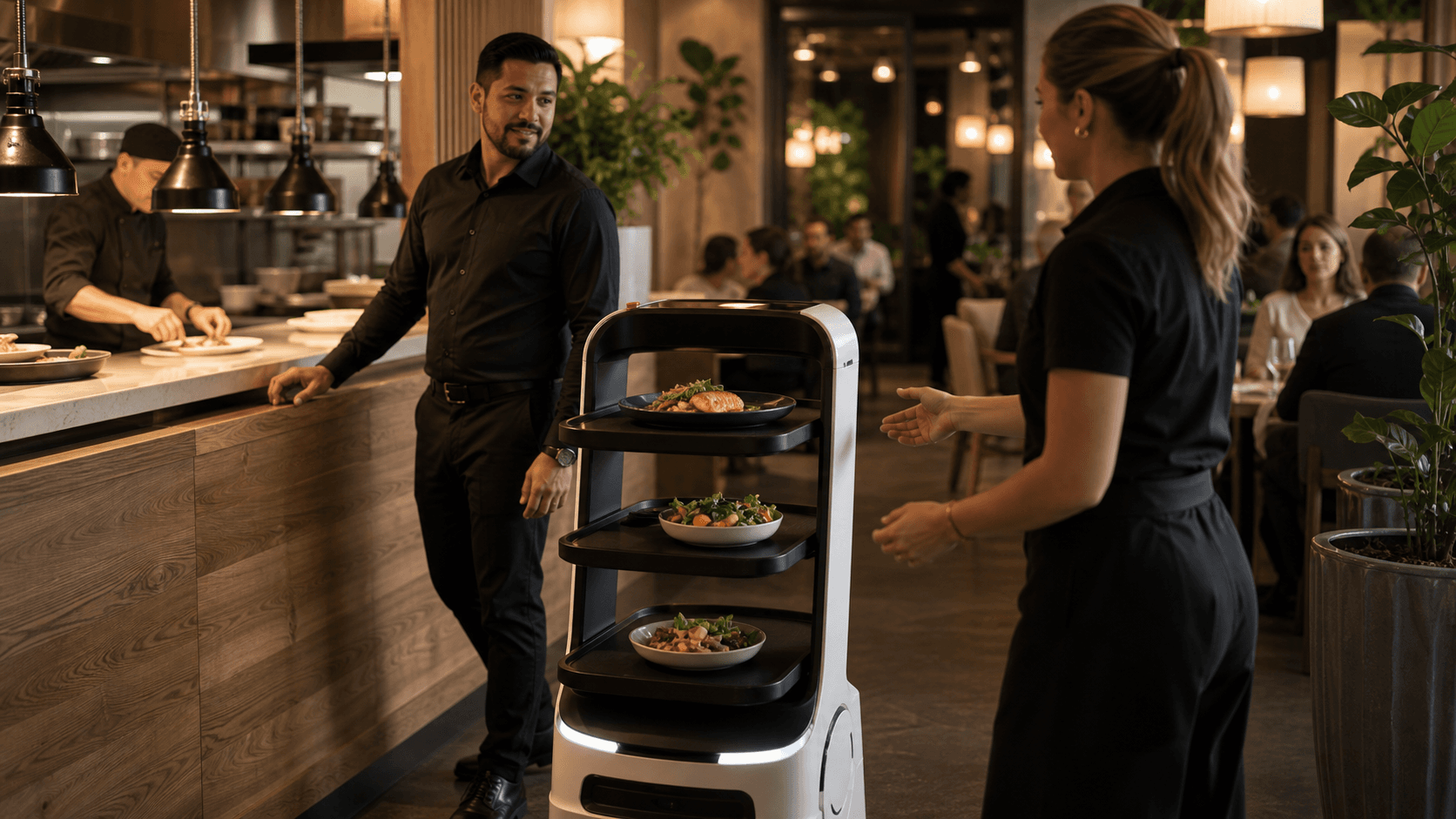
Food running
Find out whether food-running robots improve your operation before rolling them out.
Multi-unit operators and general managers need less runner walking time and more consistent service speed.
Robot deployment support for high-touch food service operations.
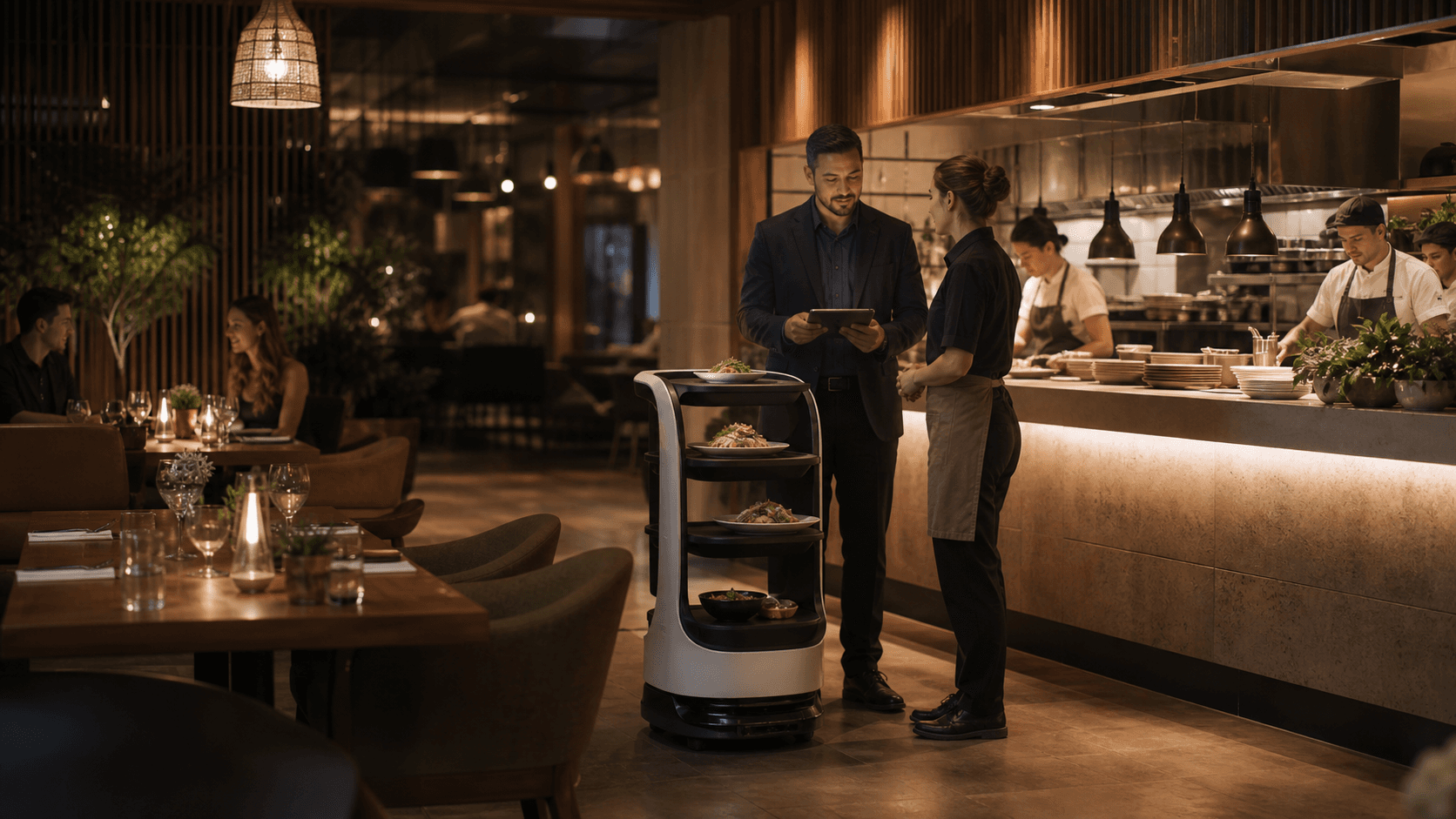
MAVANTA helps restaurant, bar, venue, and food-service operators evaluate robot use cases, test aisle and service flow, define staff handoffs, compare vendors, and measure operating value before scaling beyond a controlled pilot.
MAVANTA helps food-service operators decide which robot workflows are ready for a controlled pilot.
01
Find out whether food-running robots improve your operation before rolling them out.
Multi-unit operators and general managers need less runner walking time and more consistent service speed.
02
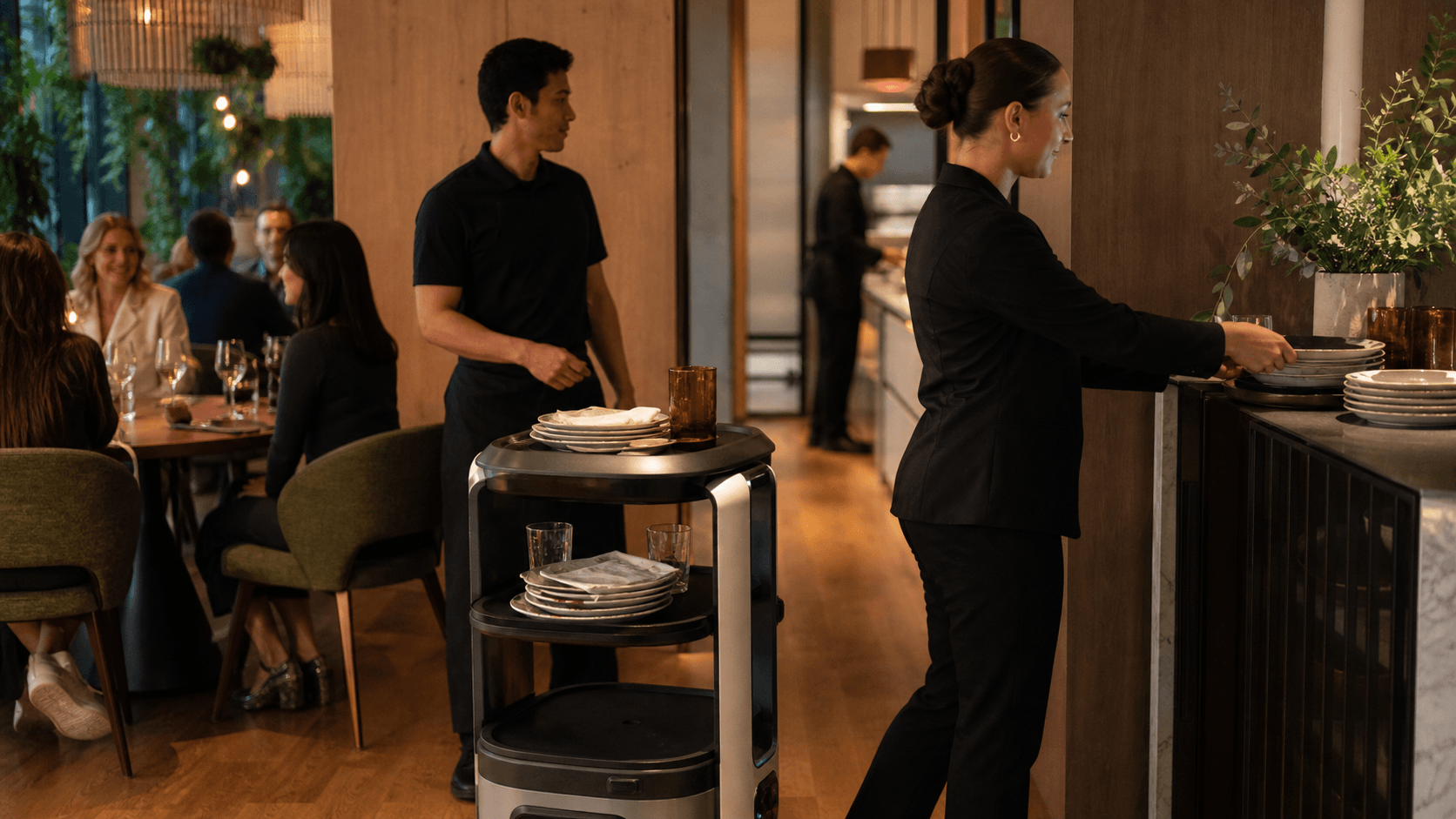
Use robots for the heavy back-and-forth, not the hospitality.
General managers and front-of-house managers need support for heavy, repetitive carrying during service.
03
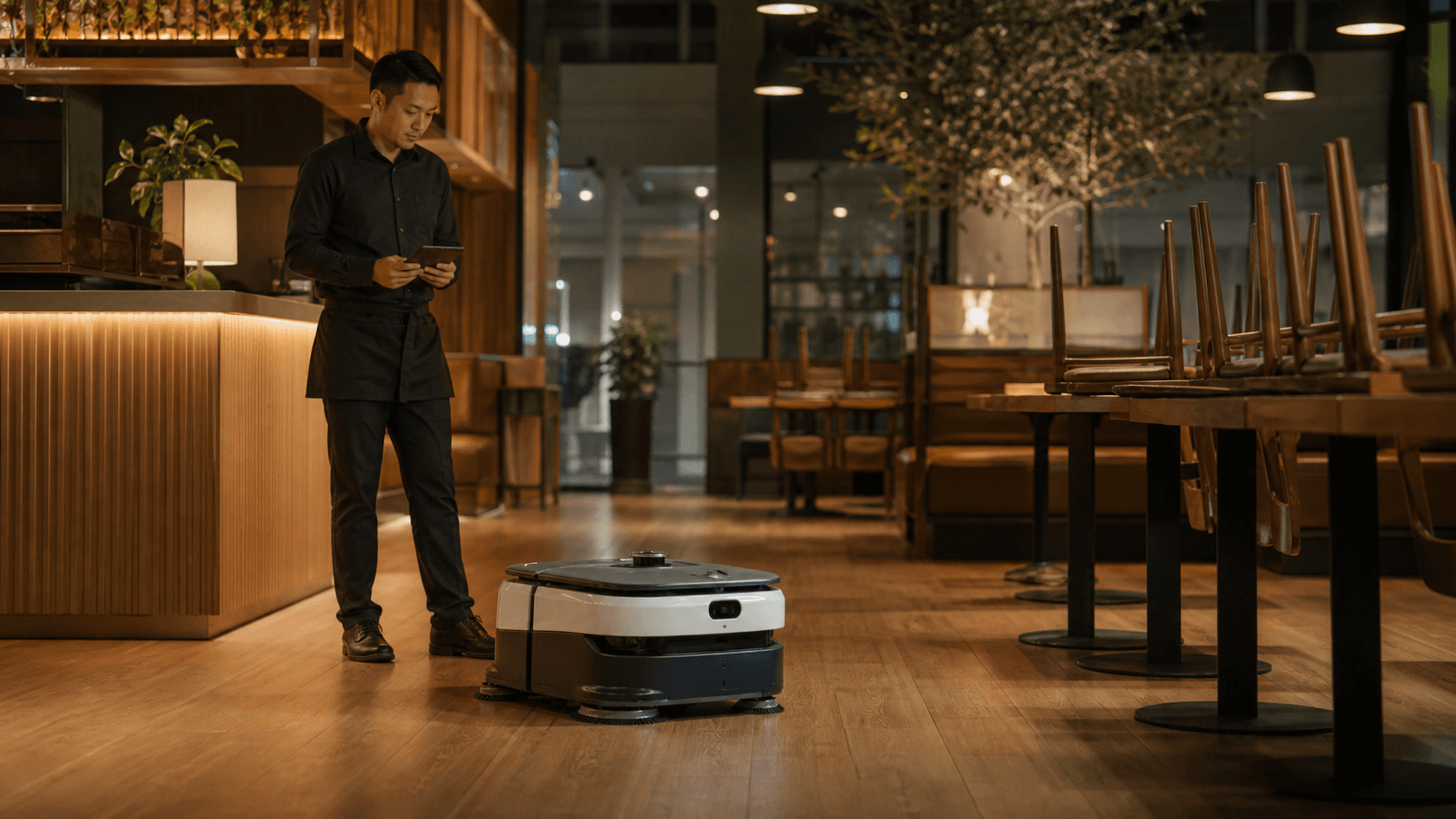
Automate repeatable cleaning where layout and timing are controlled.
Owners and operators need consistent close-to-open cleaning coverage without adding more nightly burden.
04
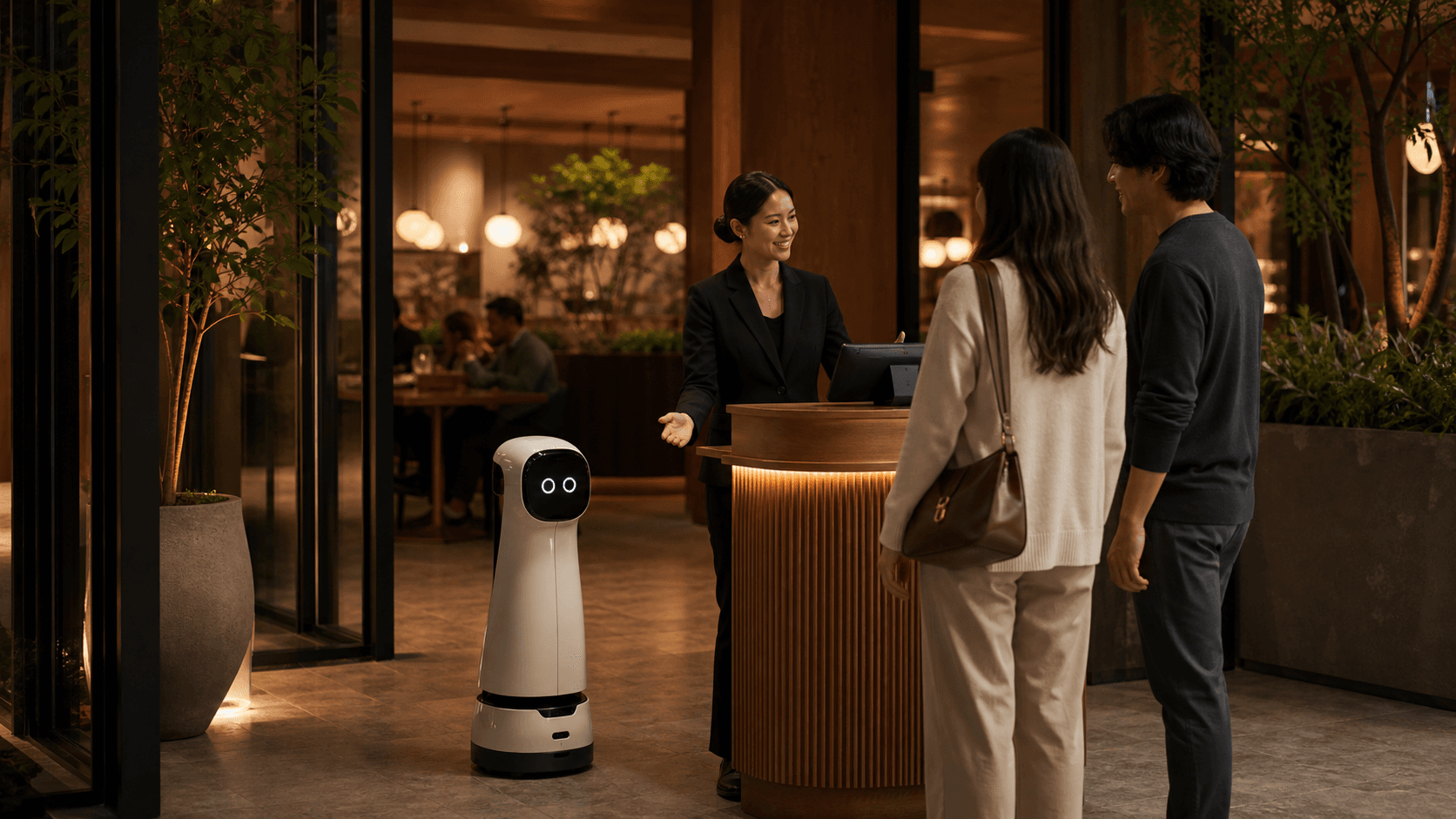
Deploy guest-facing robots only when they improve flow.
General managers and marketing teams need to know whether guest-facing robots improve flow or only create novelty.
05
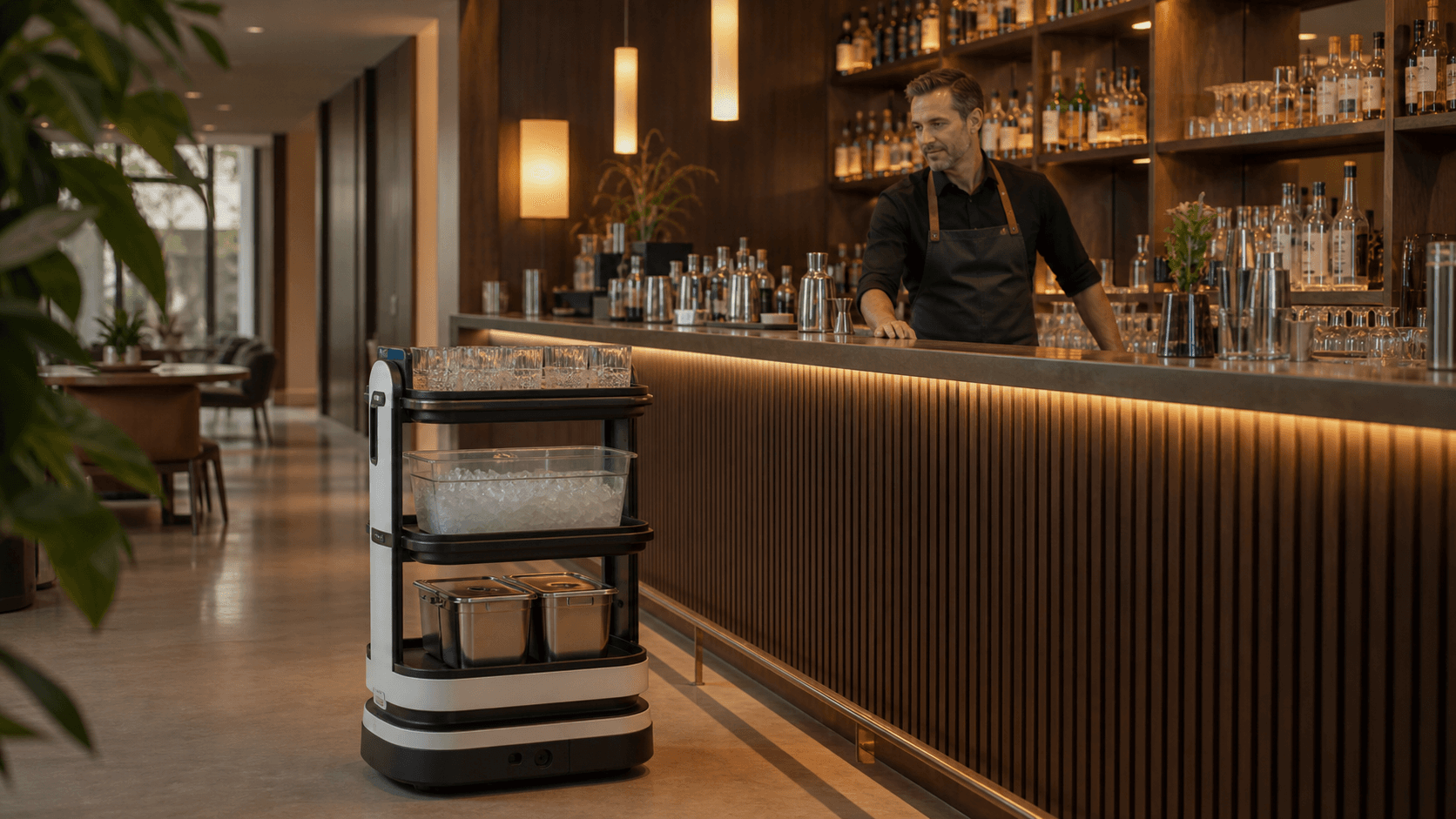
Start with support tasks before betting on a robot bartender.
Bar managers need peak-period support for repeat supply movement without disrupting service or compliance.
06
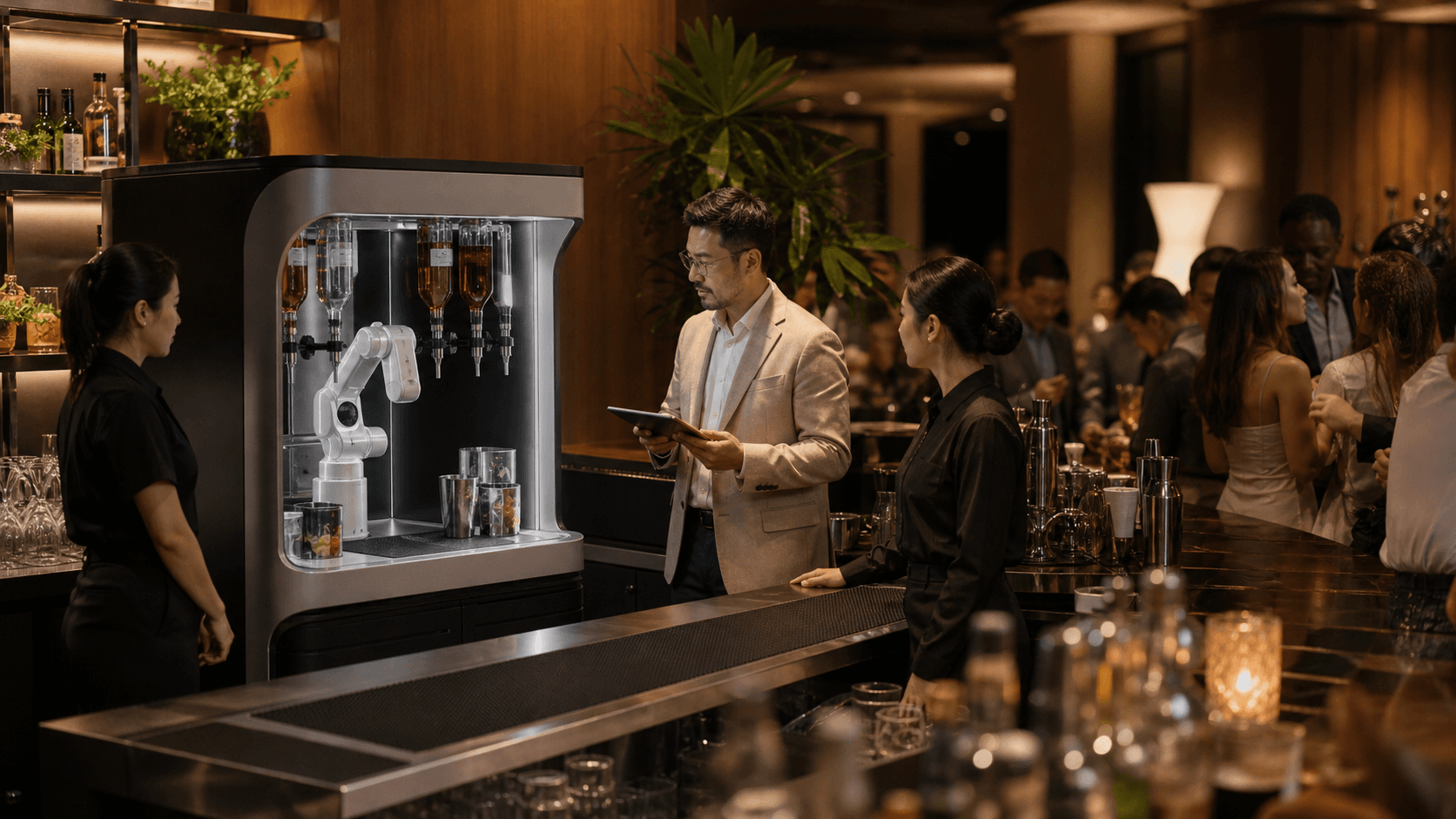
Separate the photo-op from the operating case.
Venue and bar owners need to understand whether beverage automation is an attraction, a labor tool, or both.
07
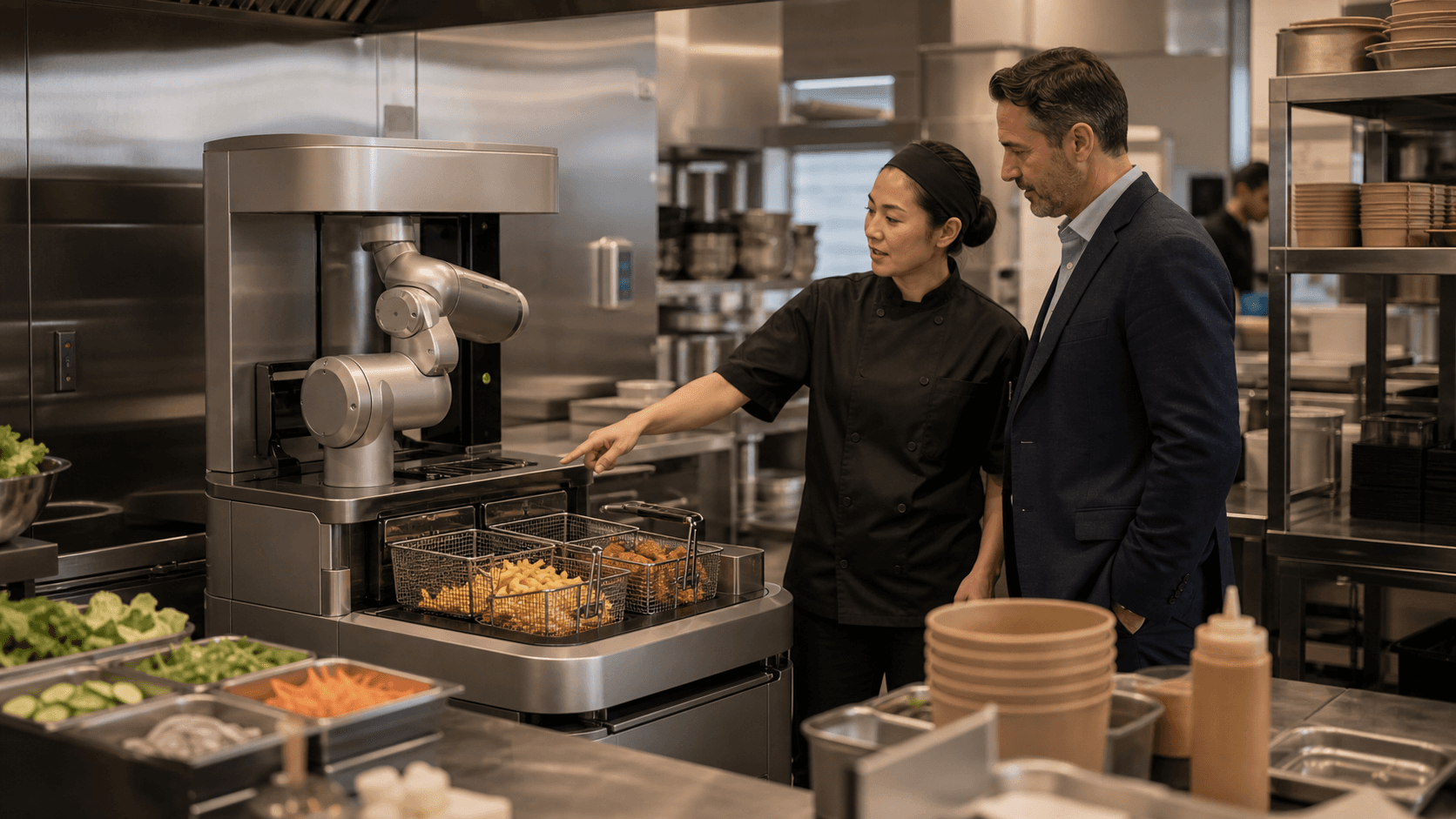
Assess kitchen robotics before committing to layout or process changes.
QSR operators and franchisees need labor consistency without committing too early to invasive layout changes.
Deployment Review
Answer a few quick questions so we can understand the use case, timeline, and operating context.